
Privacy screen protectors – how do they work and are they right for you?

A message from a friend. A work email on the train. Weekend plans in the group chat. Not everything you do on your phone needs to be shared with the person next to you.
A privacy screen protector makes your screen harder to see from the side. You view your phone from the front, while the person beside you sees a darker display. A simple way to create a little more personal space in your day.
But how does it work, and how is it different from a clear screen protector? Let’s find the right fit for you.
What is a privacy screen protector?
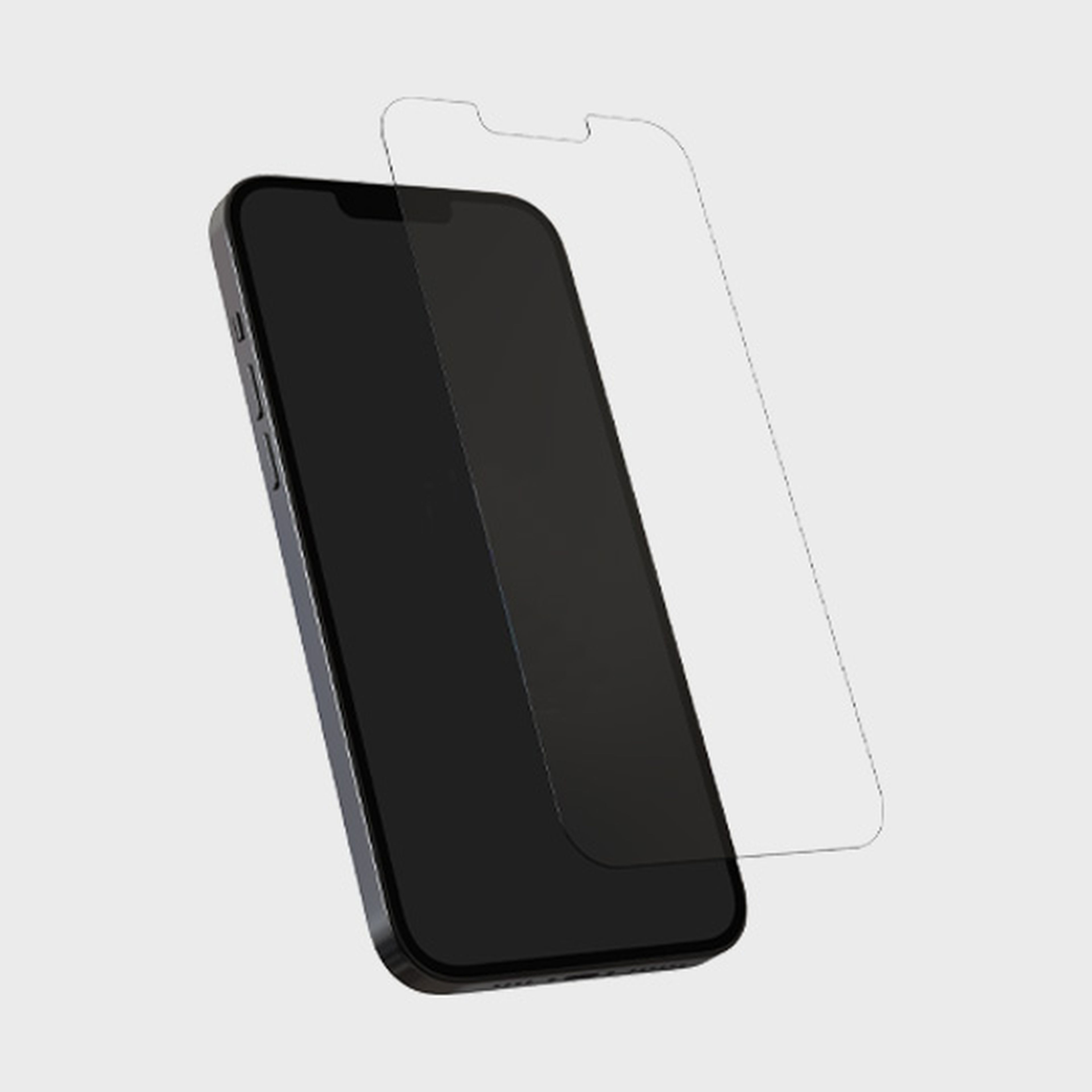
A privacy screen protector combines screen protection with a privacy filter. As well as protecting the surface of your screen, it limits the angle from which the content can be seen clearly.
You might also see it called privacy glass or an anti-spy screen protector. It’s useful if you often use your phone around other people, whether you’re commuting, sitting in a café or waiting for a flight.
How does the privacy filter work?
The filter directs the light from your screen so that the content is clearest when viewed straight on. From the side, the display looks darker and becomes harder to read.
Think of it as giving your screen a narrower viewing angle. You can still read your messages, while the person beside you has a harder time following along.
It doesn’t make your screen invisible to everyone around you, though. Someone looking directly over your shoulder may still see the content. Visibility depends on factors such as the angle, screen brightness and the protector’s design.
Does a privacy screen protector make the screen darker?
Yes, the display can look darker even when viewed from the front. Our Privacy Glass makes the screen slightly darker as part of its privacy function.
Keep this in mind when choosing. Want to limit side views when using your phone around others? Privacy could be a good fit. If you prefer to keep the screen looking as close to its original appearance as possible, a clear protector is another option.
Privacy or clear screen protector – which should you choose?
The main difference comes down to how you use your screen.
Choose privacy if you:
Often scroll, type or read on the bus or train.
Want to make your messages harder to read from the side.
Value extra privacy and don’t mind a slightly darker display.
Choose clear if you:
Want to keep your screen looking as close to the original as possible.
Often show photos and videos to people beside you.
Mainly want an extra layer of protection against scratches.
Do you often watch videos together on one phone? With privacy glass, you’ll need to look at the screen more directly. A small detail that can make a difference in everyday use.
Want to compare more options? Read our guide to choosing the right screen protector.
How to choose a privacy screen protector for your phone
Start with your exact phone model. A protector for iPhone 17 won’t automatically fit iPhone 17 Pro, even if the names sound similar. Check the model name in your phone’s settings and match it to the product information.
Check your phone case too. The case and screen protector need to fit together without the edge of the case pressing against the glass.
For example, our Privacy Glass for iPhone 17 is not compatible with Wavy Case because of the protector’s larger size. Always check the information for the specific model you choose.
Once you’ve found the right fit, our screen protector application guide will help with the next step.
Frequently asked questions about privacy screen protectors
Are privacy glass and privacy filters the same thing?
Privacy glass is a glass screen protector with a privacy filter. The filter is the feature that makes your screen harder to read from the side.
Can other people still see my screen?
Yes, from certain angles. The protector limits side views, but someone looking from roughly the same angle as you may still see the screen.
Does a privacy screen protector also protect against scratches?
Yes, a tempered glass privacy protector can also protect your screen against scratches. Privacy is an additional feature alongside physical protection. No screen protector guarantees that your phone will withstand every drop or impact.
Can I use a privacy screen protector with a phone case?
It depends on the combination. Check compatibility on the product page before choosing, so the case won’t press against the edges of the protector.
Your screen. Your space.
Your phone goes everywhere with you. The right screen protector helps you make it work for the way you live, whether you want a little more privacy on your commute or an easy way to share your latest photo with a friend.
Explore our screen protectors and find the right fit for your phone.